Looking Back, Looking Ahead: Dancing with Technology
Looking Back, Looking Ahead: Dancing with Technology
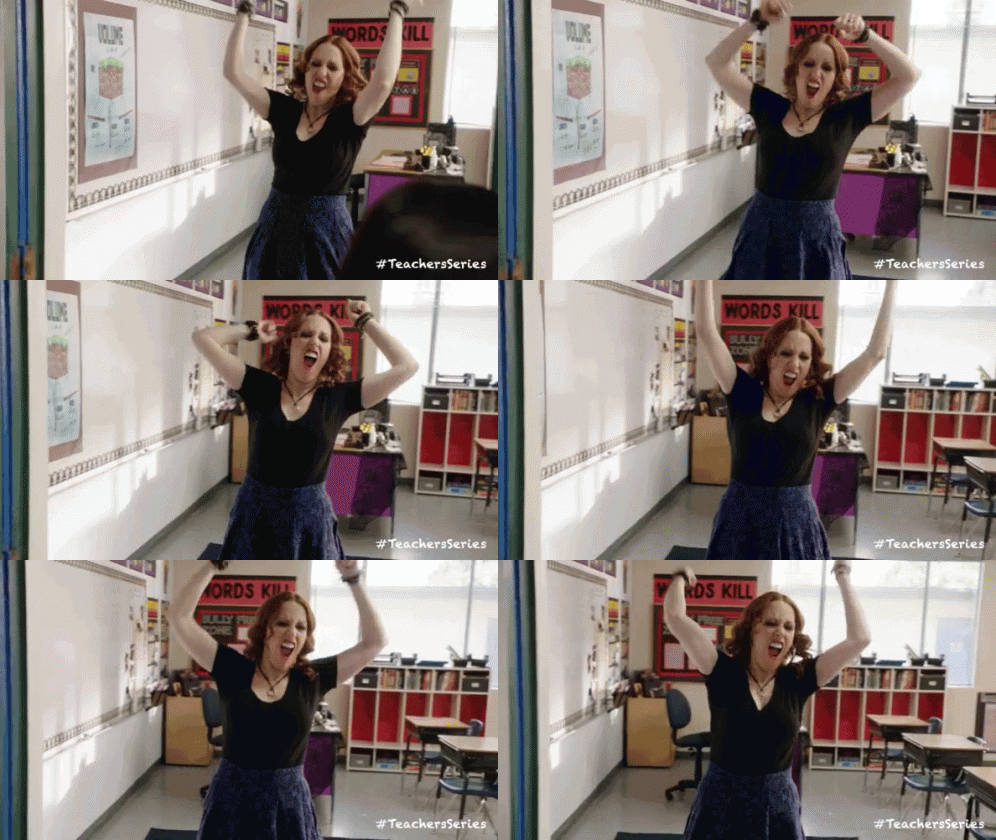
As we reach the final week of EDU 776, I’ve been reflecting on how my understanding of technology in education has evolved. When the course began, I posted a GIF of teachers dancing — full of energy, laughter, and a little bit of chaos. At that time, it represented how I felt about technology integration: excited but slightly overwhelmed, as I tried to find the rhythm in an ever-changing digital classroom.
Now, as I look back, that same GIF still feels fitting — but for different reasons. What once symbolized uncertainty now represents confidence, collaboration, and joy in using technology with purpose. I’ve learned that technology isn’t about knowing every tool; it’s about using the right ones to create meaningful, equitable learning experiences for all students.
Growth and Shifting Perspectives
One of the most significant shifts for me has been seeing technology not just as a support for teaching, but as a platform for student voice and creativity. The SAMR model helped me evaluate how deeply technology transforms learning. I realized that moving from substitution to transformation happens when students use digital tools to create, collaborate, and problem-solve — not just to consume information.
I also connected strongly with the concept of digital citizenship. Teaching students to think critically about their digital footprints, copyright, and responsible online behavior is just as important as teaching them to read and write. I now incorporate discussions on privacy, authorship, and media literacy into my classroom routines, mainly since a significant portion of our communication and learning now occurs online.
Lastly, the focus on Universal Design for Learning (UDL) reshaped how I plan lessons. I’ve become more intentional about offering multiple means of engagement and expression, allowing students to demonstrate understanding through videos, visuals, or bilingual projects. Technology gives me the flexibility to reach diverse learners and honor their cultural and linguistic identities.
Tools That Made a Difference
Throughout EDU 776, I discovered new tools that I plan to integrate into my classroom. Canva has become one of my favorites for designing visuals and student projects. Flip allows my students to express themselves orally — a game changer for bilingual learners who may feel hesitant writing in English. Nearpod brings interactivity into lessons, turning passive learning into participation. Each of these tools aligns with my goal of making learning engaging, multimodal, and inclusive.
Still Dancing — Just with More Rhythm
If I could update my Week 1 GIF caption, it would say:
“Dancing with tech — from first steps of chaos to confident choreography.”
That dancing GIF still captures how I feel about technology in education — energized and joyful, but now with intention behind every move. Technology isn’t about perfection; it’s about growth, adaptability, and keeping the rhythm of learning alive.
So yes — I’m still dancing, but now I know the steps.


Comments
Post a Comment